Trending

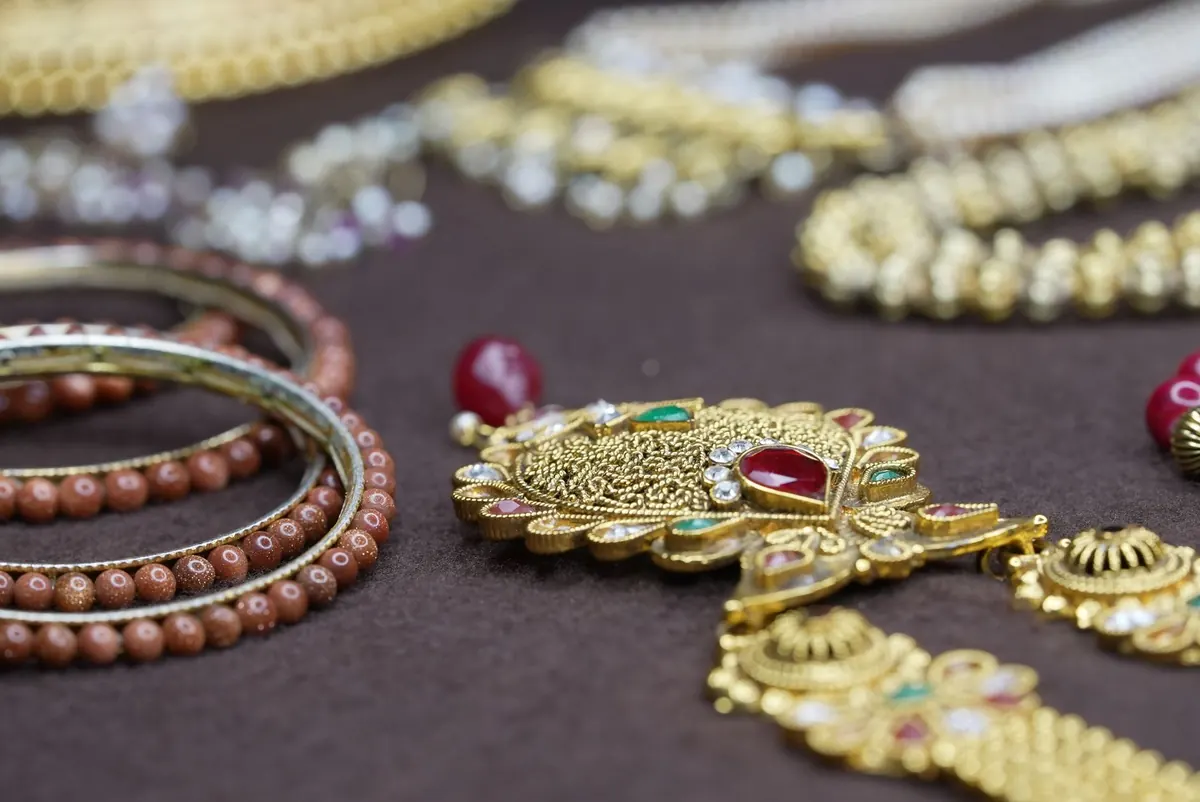
Ordering a topaz ring online gives you more choice in one evening than most high streets offer in a year. It also hides the three things that matter most: how big the stone really is, what colour it is in ordinary daylight, and how it has been treated to get that way. None of these problems is unusual, and all of them are avoidable with a handful of questions asked before you pay.
Sizing is the single most common reason a ring goes back. Fingers change through the day with heat, exercise and fluid, so measure at the end of the day, at normal room temperature, and measure more than once.
Take a ring that already fits the way you like and measure its internal diameter in millimetres — a ruler will do, digital callipers are better. Compare that figure with the seller's own size chart rather than a conversion you found elsewhere. UK letter sizes and US numbers do not map onto each other perfectly, and one maker's "N" can sit a fraction differently from another's. Use the hand you intend to wear it on, too; plenty of people are half a size apart between left and right.
Two further points. Wide bands, roughly 4mm and up, feel tighter than narrow ones, so it is often worth going up half a size. And if your knuckle is the widest part of your finger, size to the knuckle and accept a slightly loose fit, or ask whether sizing beads are an option.
Then ask whether the ring can be resized at all. Many topaz designs can be, but channel-set and full-eternity styles usually cannot, and any resize carries some risk to a set stone. If the seller cannot tell you, that tells you something.
Jewellery photography is built to flatter: diffused studio light, a dark grey background, a macro lens that makes a modest stone fill the frame. A pale sky blue topaz can look like a deep London blue under those conditions, and rose gold looks pinker in warm light than it will on your hand at breakfast.
Ask for the things that reveal the truth:
Remember that every screen renders colour differently. Compare the photo with something you own and know, and expect a small shift between the image and the parcel.
Very few blue topaz rings contain a stone that came out of the ground blue. Heat and irradiation are routine, stable and perfectly acceptable — the problem is not the treatment, it is the silence around it. A listing that says "natural blue topaz" without mentioning treatment is either inexperienced or hoping you won't ask.
Mystic topaz and similar rainbow-finished stones get their colour from a thin metallic coating. That is a surface film, not a body colour. It can wear at the edges over years and cannot be repolished the way a treated stone can, so keep coated stones away from ultrasonic cleaners, steam and abrasive polishes, and treat them as occasional-wear rings.
Sky, Swiss and London blue are not standardised. No authority decides where sky ends and Swiss begins, so one seller's Swiss blue is another's London blue. Ask for a daylight photograph and a plain description — pale, medium, deep — and judge by that instead of by the label.
Topaz sits at 8 on the Mohs scale, harder than quartz, so it resists scratching well. But it has perfect cleavage in one direction, which means a sharp knock at the wrong angle can chip or split it along a flat plane. For a ring worn daily, the setting matters as much as the stone.
Study the close-up images and check:
A bezel, or a low setting with a halo of small stones, protects a topaz far better than a tall four-claw design. If you plan to wear the ring for work, gardening or the gym, choose protection over height.
Read the return policy before you fall for a stone. Check the window, whether resized or made-to-order rings are excluded, who pays the return postage, and whether a restocking fee applies. Anything shipped from outside the UK may attract import VAT and a courier handling charge on top of the price, so factor that in. Rules and charges do vary, so for a significant purchase it is worth confirming the details with the courier or a consumer advice service first.
On the metal, a UK hallmark means the purity has been independently tested; ask about it on anything described as solid gold, silver or platinum. On care, keep it simple: store the ring on its own so it doesn't knock against harder stones, clean it with lukewarm water, a drop of washing-up liquid and a soft brush, and dry it with a lint-free cloth. Skip ultrasonic and steam cleaners entirely if the stone is coated.
Five minutes of checking removes most of the risk:
A good seller will answer all of this without irritation; the ones who dodge are the ones to leave alone. Buy the ring you can picture clearly, not the one you are hoping will turn up.
Photo: Kunal Lakhotia / Pexels