Trending

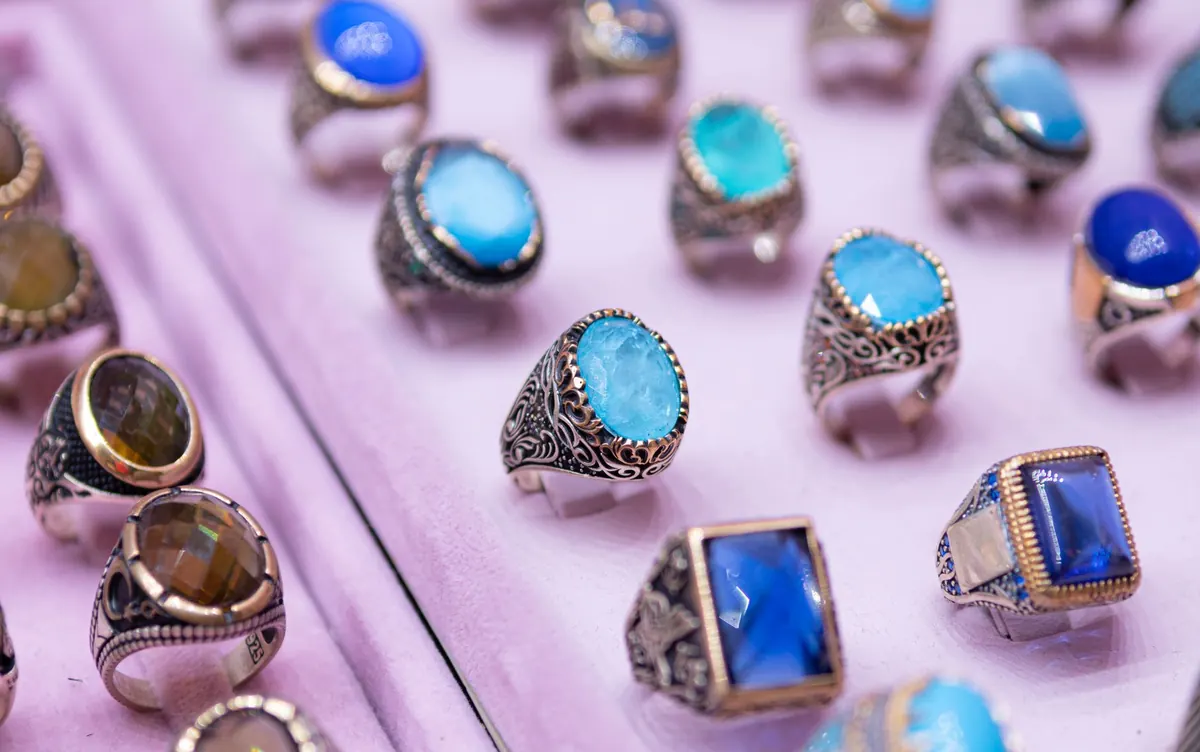
Topaz has an odd reputation. It is affordable enough to feel like a starter stone, yet the finest imperial material can hold its own beside a peach or pink sapphire. That range makes topaz a genuinely good choice for a first ring, and also easy to get wrong. Two rings at the same price can look and wear completely differently depending on how the stone is cut, how it is held and which metal surrounds it. Here is a plain-English guide to those three decisions.
Topaz rates 8 on the Mohs hardness scale, so it resists everyday scratching better than quartz, beryl or tanzanite. Its weakness is different: topaz has perfect cleavage in one direction, which means a sharp knock at the wrong angle can split it. That single fact should shape every other choice you make. Protection matters more with topaz than it does with a sapphire or a diamond.
Colour is the second thing to understand. Natural topaz runs from colourless through pale yellow to the prized imperial pinks, oranges and sherry tones. Most blue topaz on the market started as colourless material that was treated, usually irradiated and then heated, to produce the shades sold as sky, Swiss and London blue. That treatment is stable and widely accepted, and the trade names describe depth of colour rather than quality tiers. Coated stones, sold as mystic or rainbow topaz, have a thin metallic film applied to the surface. They look striking, but the coating can wear at the edges with hard daily wear.
Always ask whether the colour is natural, treated or coated, and get the answer in writing on the receipt. A seller who cannot tell you is not the right seller for a stone you plan to wear for years.
Cut does more for a topaz ring than almost anything else. Because the rough is relatively affordable, cutters can take time over it, and the gap between a lively, well-proportioned stone and a dull, badly-cut one is obvious across a room.
Brilliant-style cuts — round, oval, pear, marquise and trillion — use many small facets arranged to throw light back to the eye. They flatter paler material by adding sparkle where colour is thin. Step cuts, such as the emerald or octagonal cut, use long rectangular facets that show off clarity like a hall of mirrors but do little to hide a washed-out tone. In topaz, step cuts tend to look best in the deeper blues and the warmer imperial shades.
Proportions matter as much as shape. A stone cut too shallow leaks light through the bottom and looks pale; too deep and it goes dark in the centre. Ask to see the ring in daylight as well as under shop lighting, and tilt it side-on to check the depth of the pavilion.
Most topaz rings use four or six claws. They let the most light into the stone, which maximises sparkle, but they leave the girdle — the thin outer edge — exposed. Given topaz's cleavage, check that the claws are substantial and sit snugly against the stone. If a claw catches on a jumper within a minute of trying the ring on, it will keep catching.
A bezel wraps a rim of metal right around the stone's edge. It conceals less of the gem than people expect and protects the vulnerable girdle, which makes it the sensible choice for a ring worn daily. For a stone with perfect cleavage, a bezel is the closest thing to insurance.
A halo of small diamonds or white sapphires around the centre stone makes it appear larger, which is a clever use of budget on a modest blue topaz. Channel setting suits small accent stones rather than a large topaz, and pavé shoulders add sparkle without hiding the main event. Three-stone designs work well when the side stones echo the tone of the centre. Tension settings, where the band grips the stone under pressure, look dramatic but leave the girdle fully exposed — think carefully before choosing one for topaz.
A workable order of priority for a first purchase:
If you are spending a meaningful amount, have the finished ring independently valued for insurance and keep that document with the receipt. A jeweller or insurer can advise on the right level of cover.
Topaz cleans easily with warm water, a drop of mild washing-up liquid and a soft toothbrush, then a rinse and a pat dry with a lint-free cloth. Skip ultrasonic and steam cleaners for coated stones, and for any topaz with visible fractures or inclusions. Store the ring in its own pouch rather than loose in a drawer where it will knock against harder gems, and take it off for gardening, gym sessions and heavy housework — those are the moments when a sharp blow does damage.
Have the claws checked once a year by a jeweller, especially on white gold and silver, and ask them to tighten anything that has moved. A topaz ring treated with a little care will stay bright for decades; the trick is to decide early whether you are buying a delicate dress ring or an everyday piece, and to choose a cut, setting and metal that match that answer.
Photo: Mahmoud Yahyaoui / Pexels