Trending

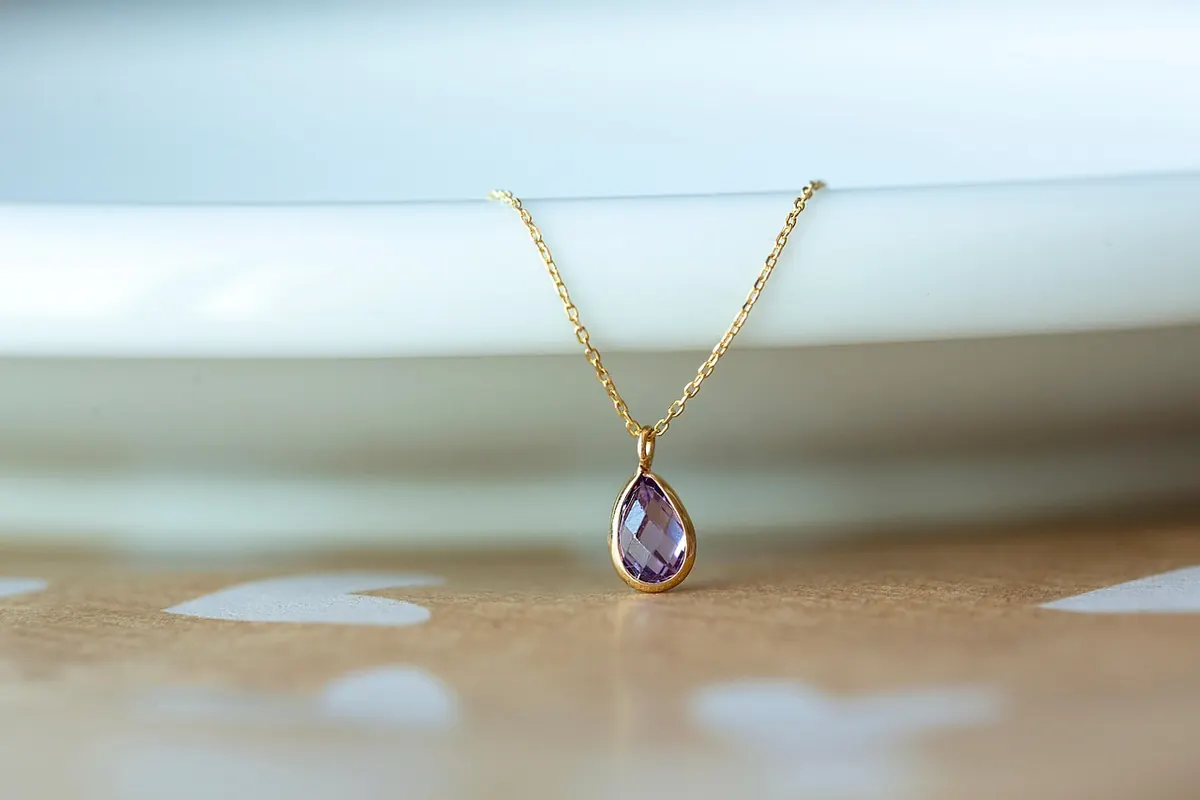
November birthdays come with fireworks, dark afternoons and a birthstone that behaves like bottled sunlight. Topaz is the traditional stone for the month, and it suits a necklace better than most gems: hard enough for daily wear, available in a wide spread of colours, and equally at home with a jumper and jeans or something dressier.
If you are buying for someone born in November, three decisions do most of the work — which topaz, which setting, and how long the chain. Get those right and the necklace gets worn constantly instead of living in a drawer. The good news for UK shoppers is that topaz necklaces cover almost every budget, from high-street pendants under £50 to fine-jewellery pieces in the hundreds. The trick is knowing what you are paying for.
Topaz reaches the high street under several names, and they are not interchangeable.
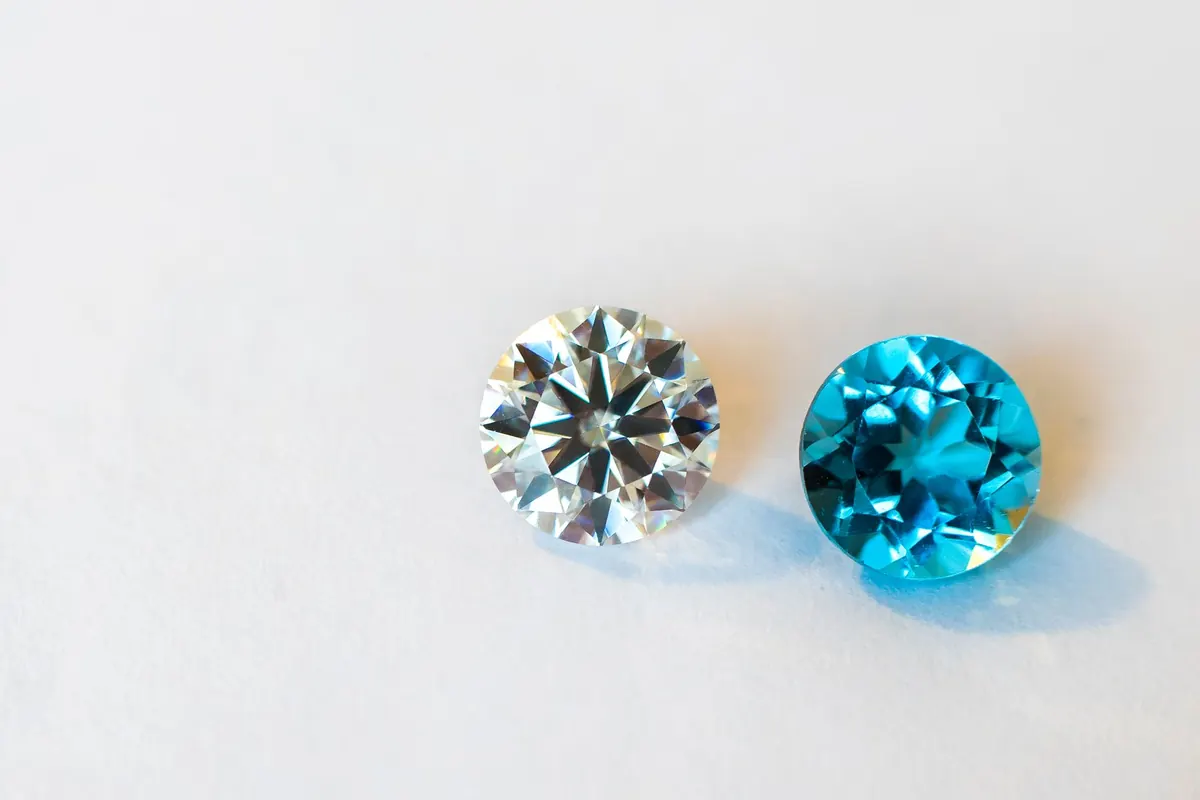
Blue topaz is by far the most common in necklaces. Sky, Swiss and London are trade descriptions for progressively deeper blues, and most blue topaz gets its colour through heating and irradiation — a normal, stable treatment. Imperial topaz is the rare naturally coloured variety, ranging from peach to pink and orange, and it commands a premium. White topaz is clear and often stands in for diamond. Mystic topaz carries a thin metallic coating that creates a rainbow flash, so it needs gentler handling. Much of what is sold as smoky topaz is in fact smoky quartz, so ask if the distinction matters to you.
If the recipient loves colour, pale blue topaz is the easiest crowd-pleaser: it flatters most skin tones and looks fresh against navy, grey and white. Imperial topaz is warmer and more collectable, but availability is patchy, and a genuine untreated stone will usually come with a gemmological report or at least a clear specification. White topaz is the quiet option, ideal for someone who wears silver or platinum and wants sparkle without diamond prices. Mystic topaz is the fun choice for teenagers or anyone who likes an oil-slick flash, but it is not the one to choose for a necklace that will be worn in the sea, the shower or the gym.
A single stone on a fine chain is the safest and most wearable choice, and it flatters everyone. A halo or cluster makes a modest stone read larger. A bezel setting wraps metal around the edge of the gem, protecting it from the knocks that topaz dislikes — useful if the necklace will be worn daily. Drop pendants suit evening wear, while a small station necklace with a few stones spaced along the chain feels more relaxed and layers well.
Think about necklines, too. Someone who lives in polo necks and scarves will wear a longer pendant far more often than a short one that vanishes under knitwear. A teacher who is constantly bending over desks may prefer a 45 cm bezel-set pendant that stays out of the way; a bride wanting something “something blue” might choose a 40 cm drop for a V-neck dress. If you are unsure, look at the jewellery she already wears. The length and metal colour she reaches for most days are the strongest clues you have.
Metal choice matters as much as the stone. Yellow gold warms up imperial and honey-coloured topaz, while white gold, platinum and sterling silver cool down blue and white topaz. Rose gold sits somewhere between the two and looks especially good with pinkish topaz or mystic coatings. If the necklace is a surprise, sterling silver or 9ct white gold are the safest UK choices because they suit most wardrobes.
Chain length affects how a necklace sits more than the pendant does, and UK retailers often list both inches and centimetres. As a rough guide:
If you are buying online, check whether the chain has an extender or adjustable slider. A 45 cm chain with a 5 cm extender gives you two or three useful lengths, which is a lifesaver if you are guessing. Also check the clasp: a lobster clasp is secure and easy to fasten, while a spring ring can be fiddly for anyone with arthritis or long nails. A magnetic clasp is convenient but not always as secure for a heavier pendant.
The best gift is the one that fits the life it is going into. Use these quick profiles as a starting point:
Topaz is not an expensive stone at the commercial end, so most of the price sits in the metal and the making. Expect to pay roughly £30–£80 for a sterling silver pendant with a small blue topaz, £80–£250 for 9ct gold or a larger stone, and £250 upwards for imperial topaz, hallmarked gold or designer settings. A certificate matters most for imperial topaz or any stone sold as untreated.
UK shoppers can look at high-street chains for reliable returns and easy exchanges, independent jewellers for better stone selection and resizing, and online marketplaces for unusual designs. Always check the returns window, whether the item is hallmarked if it is gold or platinum, and whether the chain is included. If you are buying in November, order early: personalised or resized pieces can take longer, and Royal Mail delays are common in the run-up to Christmas.
Topaz has a hardness of 8 on the Mohs scale, which is good, but it has one weakness: it can be split by a sharp knock along its cleavage direction. That means it is fine for daily wear in a protected setting, but not indestructible. Mystic topaz needs even more care because the coating can scratch or wear away.
Clean topaz with warm water, a drop of mild washing-up liquid and a soft toothbrush, then dry with a lint-free cloth. Avoid steam cleaners, ultrasonic cleaners and harsh chemicals, especially for coated or treated stones. Store the necklace separately from harder gems such as diamond and sapphire so it does not get scratched in the jewellery box.
Treat topaz like a sunny day: enjoy it often, but bring it in before the rough stuff. Take it off for gardening, gym sessions, swimming and heavy cleaning, and it will keep its colour and polish for years.
A topaz necklace is a thoughtful November gift because it feels seasonal without being obvious. Pick a colour that suits her, a setting that suits her routine, and a length that suits her wardrobe, and you will have bought something far more personal than a generic birthstone trinket.
Photo: gzdegz_ / Pixabay