Trending

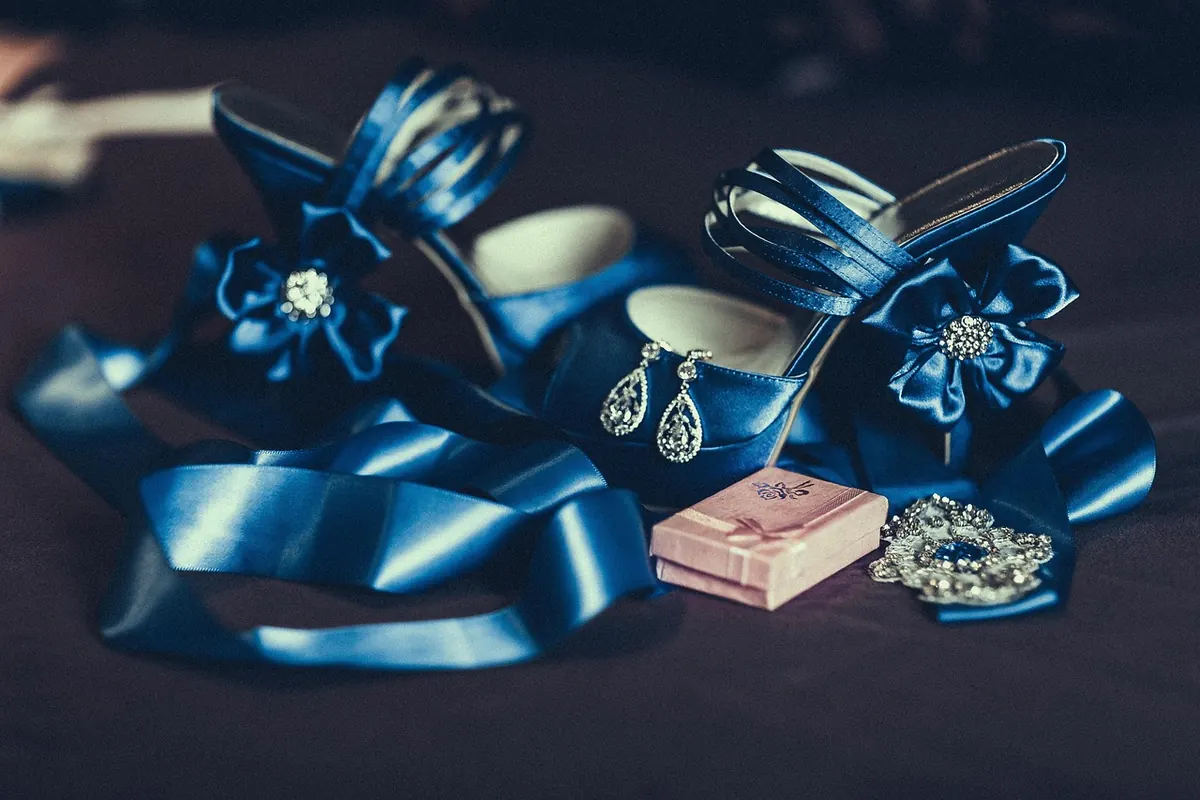
Topaz earrings look effortless — a cool flash of blue at the jaw, a warm honey drop in winter light. They are also small objects doing hard work. Each one hangs from a hole in your earlobe, swings when you turn your head, catches on scarves, and stays there for twelve hours a day.
Most buying advice covers colour and carat. The details that decide whether a pair becomes a favourite are smaller and more practical. Here is what to check before you pay.
Topaz sits at 8 on the Mohs scale, which is genuinely hard, but it has a perfect cleavage: a sharp knock in the wrong direction can chip or split it. The setting is the protection.
Prong settings show the stone off but leave its edges exposed. The tips of each prong should sit snugly over the stone's edge, smooth enough not to catch hair or a fine knit. Press a fingernail gently against the stone to see whether it moves — a stone that rocks is one knock away from being lost, and having it tightened is a quick, inexpensive job for a jeweller.
Bezel and semi-bezel settings wrap a rim of metal around the stone and are the safer choice for everyday wear. On pear, marquise and emerald cuts, check that pointed corners are held by a V-prong or end cap rather than left exposed; that is where chips begin. Where the post meets the earring, look for a generous, neat solder joint as well, since drops often fail there first.
Most shoppers never look at the fitting, which is a mistake. It decides whether a pair stays put, sits comfortably and lasts.
If the metal back is the part that irritates your ears, silicone or plastic backs are a cheap swap.
Nickel is the most common cause of jewellery irritation and appears in plenty of alloys, including many white golds and some stainless steels. A reaction usually shows as itching, redness or soreness within hours to a couple of days.
"Hypoallergenic" is marketing rather than a regulated term, so read the specification instead. If you know you are sensitive, 18ct yellow gold, platinum, palladium, titanium and niobium generally suit people well. White gold is usually rhodium plated for its bright finish, and the plating wears fastest where there is friction — the post and the back — eventually exposing the alloy beneath. Re-plating is routine, but treat it as maintenance.
Check for a hallmark or quality mark, and make sure the stated metal matches what you were told. Under UK hallmarking rules ear posts and scrolls are treated differently, so the mark is usually on the main body of the earring; if anything is unclear, ask the retailer. If you have a new or persistent reaction, speak to a pharmacist or doctor — diagnosing an allergy is a job for a professional.
Weight is the most underrated factor. What feels fine for ten minutes in a shop can ache by mid-afternoon, and heavy drops pull on the piercing over the years. Lighter is better; many people find that under about five grams per earring is comfortable from morning to night.
Balance matters just as much. A drop should hang from the post rather than tip forward, so check where the post sits — on a drop earring it belongs near the front, not the middle or back. Set too far back, it will spin and tilt all day.
Most adult piercings suit a post of roughly 0.8mm. Too thin and the earring may sink into the hole; too thick and it is uncomfortable to insert. A short post pinches the lobe, while a long one lets the earring hang away from the ear and catch on everything.
Then test them properly at home. Wear both, turn your head, put on a coat, take a phone call, and see how they feel after an hour — keeping the packaging intact while you decide.
Topaz runs from colourless through yellow and honey to pinkish-orange, and then the blue family, from pale sky to deep London blue. Most blue topaz is treated with heat and irradiation to bring out the colour; the result is stable and permanent, and it is not a fault. A good retailer will disclose it. Imperial topaz, the pinkish-orange material, is usually untreated and priced accordingly.
Read the returns policy first, particularly for earrings — some retailers restrict returns on pierced-ear items for hygiene reasons, and you want to know that before the parcel arrives. Buy from a seller who states the metal, any treatment and the measurements clearly, and who answers questions without dodging.
Once they are home, look after them. Store earrings flat or hanging so the stones do not knock together, put them on after perfume and hairspray, and take them off before bed and before the gym. Have the settings checked once a year if you wear them often, and deal with a loose stone straight away rather than waiting to lose it on a pavement somewhere.
Buy well and a pair of topaz earrings will earn its place for years — not because it was expensive, but because it fits, feels comfortable and never needs thinking about again.
Photo: RondellMelling / Pixabay