Trending

Buying a topaz bracelet online is easy until you reach the sizing box. A bracelet that hangs loose will not show off the stones properly, and one that pinches will spend most of its life in a drawer. The good news is that measuring your wrist takes about two minutes, and once you know your number you can shop across chain, tennis and bangle styles with confidence. Here is how to do it at home, with the small details that make the difference between "close enough" and "just right".
Your wrist measurement is the circumference of your wrist. The bracelet length you order is that number plus a little extra, so the piece can move, sit flat and fasten comfortably. That extra is called the allowance, and it changes with the style. A fine chain might need 1.5 cm added; a chunky stone-set bracelet often needs a touch more, because the links do not bend as closely around the arm.
So the first job is to get an honest wrist measurement. Everything else follows from it.
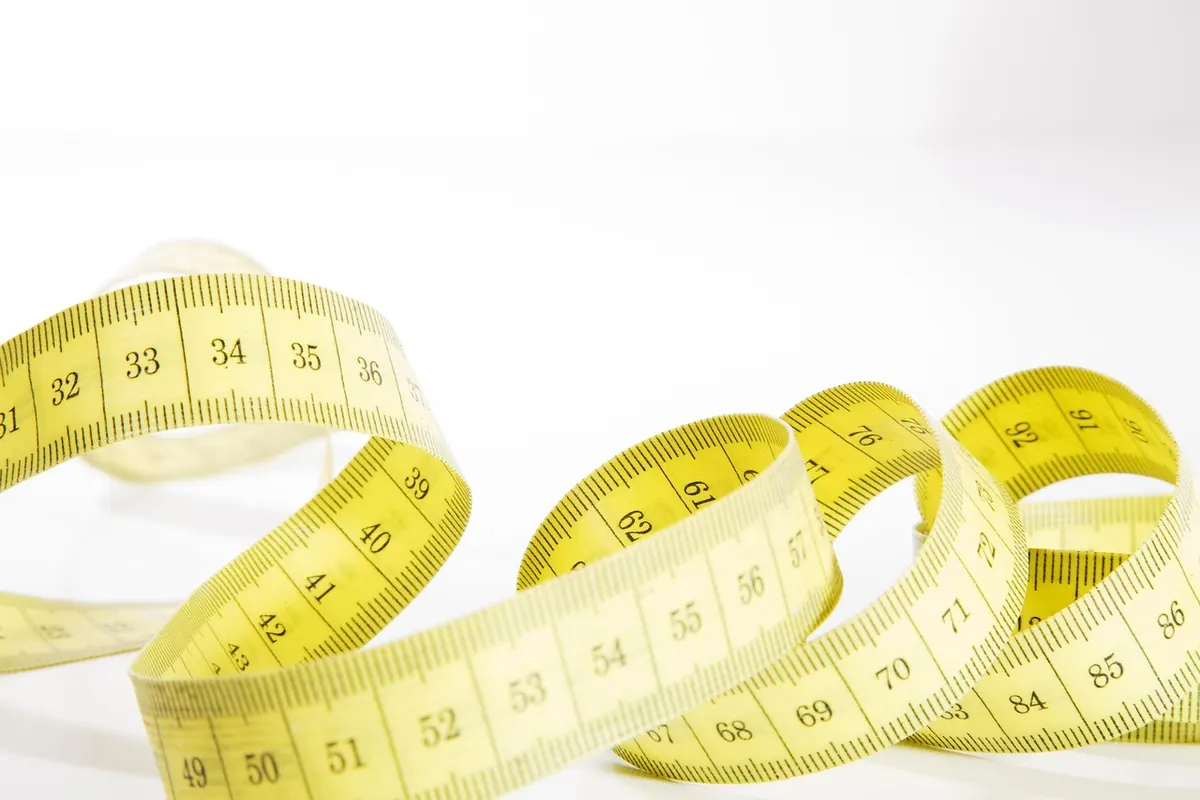
You do not need a jeweller's tools. A flexible tape measure is ideal, but a strip of paper or a piece of string and a ruler work just as well.
A few things nudge the number. Your dominant hand's wrist is often slightly larger — measure that one if you plan to wear the bracelet on it. Warm weather and the end of the day can add a millimetre or two, while a cold morning can take one off. If you sit between two figures, measuring when you are warm and relaxed tends to give the more useful answer.
Chain styles with a clasp and a short extension chain are the most forgiving. Add roughly 1.5 cm to your wrist measurement for a comfortable drape; around 1 cm gives a closer fit that still moves, and 2 cm or more sits noticeably loose. If the bracelet has a lobster clasp and an extender, you can often order close to your wrist size and adjust on the day.
A tennis bracelet is a continuous line of stones, usually with a fold-over clasp and no extension. Because the links are rigid, the fit matters more. Add about 1–1.5 cm to your wrist measurement: enough for the bracelet to sit flat and turn slightly, but not so much that it slides over your hand. Too tight and the clasp will work loose as the bracelet pushes against the wrist; too loose and the stones will spend their time on the underside of your arm.
A bangle does not fasten, so it has to pass over the widest part of your hand — the knuckles, with the thumb tucked in. Measure that, not your wrist. Bring your thumb and little finger together as if putting on a bangle, then wrap the tape around the knuckles. Many bangle sellers then list an inner diameter in millimetres rather than a circumference; a diameter around 60 mm tends to suit a small hand, roughly 65 mm a medium, and about 70 mm a larger one. If you are between two, size up — a bangle that will not go on is no use at all.
Round up for anything that fastens, and consider the weight of the piece. Topaz set in silver or gold adds mass, and a heavier bracelet rotates more than a fine one, so it benefits from a little extra room. Round down only if you are ordering a bangle or a very fitted cuff and you know you prefer a close fit.
It also helps to think about what you will wear alongside it. A bracelet sharing a wrist with a watch needs a bit more play; if it sits alone on the other wrist, a snugger fit looks tidy.
If the bracelet is a gift, borrow one they already wear and like, lay it flat, and measure the full length from end to end, including the clasp. That figure is the length you want to match. A watch strap measured the same way is a decent second option. Avoid guessing from their height or build — wrists vary more than people expect.
Try it on with bare wrists, fasten it and let your arm hang down. The bracelet should stay put without sliding past the base of your hand, and you should be able to slide one finger under the band with gentle pressure. Turn your wrist, flex your hand and type for a minute. If it catches, digs in or spins constantly, the size is wrong. Most jewellers will exchange an unworn piece, so check the returns policy before ordering and keep the tags on until you are sure.
Get the number right once and it holds for everything you buy afterwards. Keep your wrist measurement in your phone notes, jot down the fit you preferred on your last bracelet, and every future topaz purchase becomes a quick, confident decision.
Photo: andreas160578 / Pixabay